Image
Greer Ramsey, Curator of Archaeology, talks all things treasure.
Ever wondered what you should do if you think you have found an archaeological object? The first thing to do is report it to the Museum. This is actually a legal requirement, which may sound very formal, but there are good reasons for doing so.
By allowing us to identify and record your find we are adding to our knowledge of the past. It may come as a surprise, but some of the most important objects on display and in our stores were not found on archaeological digs but by members of the public. The object you found may even turn out to be ‘Treasure’.
Treasure is in many ways is about ownership. Many will be familiar with the rhyme about ‘finders keepers – (losers weepers)’. I’m afraid this is not really the case. In Northern Ireland archaeological objects belong to the landowner unless they meet the definition of Treasure.
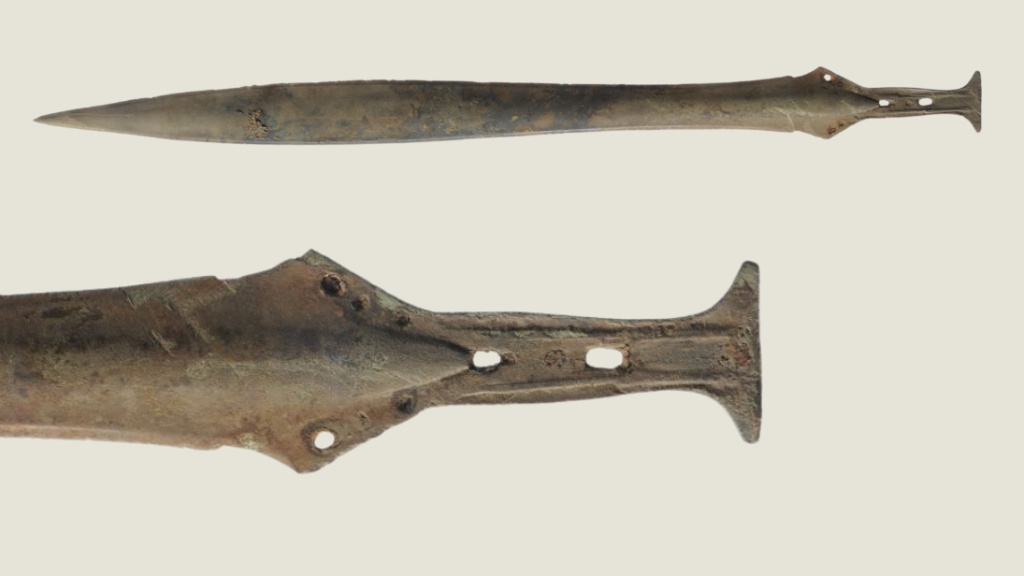
Sticking with the idea of non-treasure items, like the Bronze Age sword (below), it is ‘fake news’ to believe that the museum can keep these. The Museum has the power to ask for them to left in for recording, after which they are returned. If the Museum wants to add them to the collection they might ask if the object could be donated. Alternatively, it could be purchased from the landowner usually with an agreement that involves the finder.
The idea behind the Treasure Act 1996 is that it provides an additional level of protection to objects which meet the definition of Treasure (more on definitions shortly). Remember, all archaeological objects must be reported to the Museum who can help determine if the object is treasure or not.
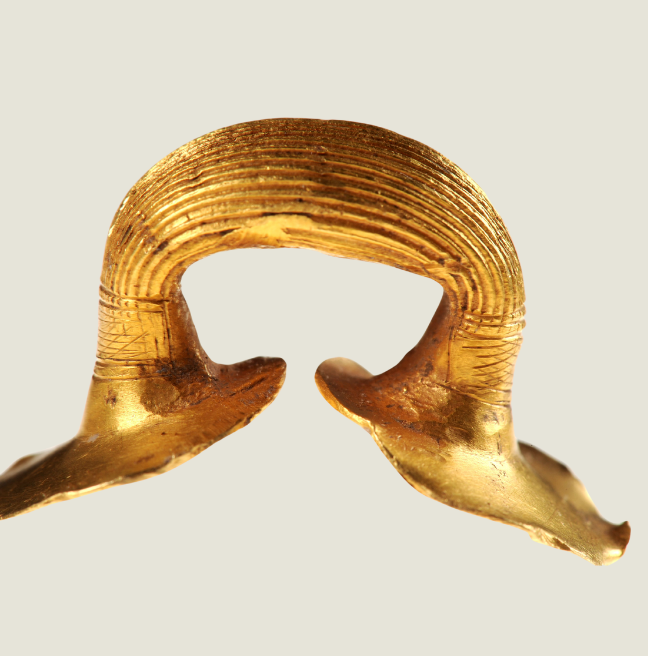
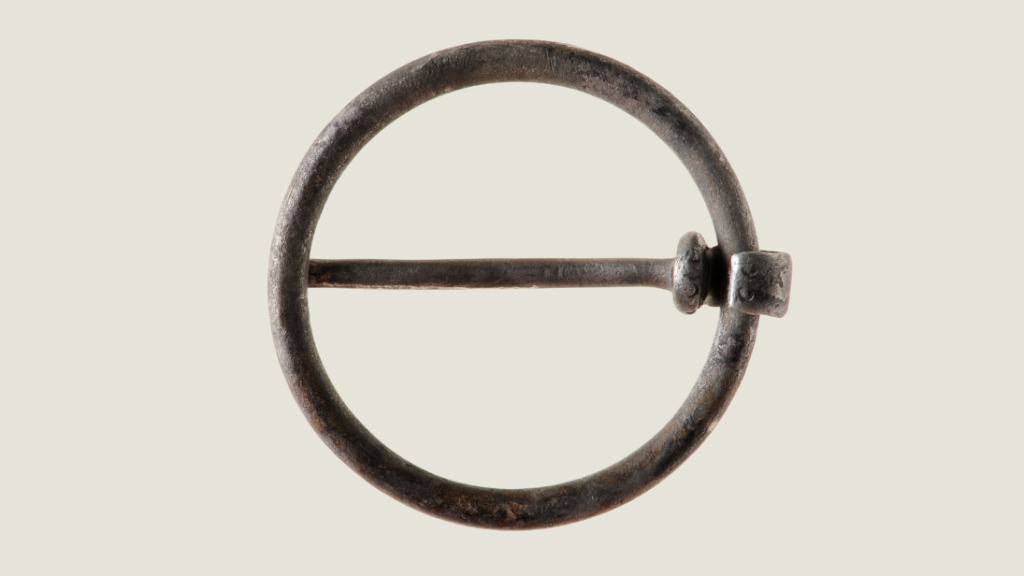
Treasure items cannot be kept by the landowner or finder but are held by the Museum on behalf of the government pending a Treasure hearing held in the Coroner’s court as with this brooch.
Yes – as the finder and landowner you could end up in court! - but this is usually optional and an experience that most people find interesting and want to experience. The Coroner is concerned mainly with three things:
(a) is the object Treasure - a report on your object provided by the Museum will allow the Coroner to decide this.
(b) As the finder, statements will have been taken from you about when and where the object was found and if you had permission to be on the land
(c) Statements from the landowner will confirm permissions and demonstrate who legally own the land.
When the Coroner declares the item as Treasure – all this information and pictures of the object are sent to the British Museum who record all Treasure finds and oversee the Treasure process. If you have decided not to donate the object it will be independently valued – and the value or ‘finders reward’ shared equally between the finder and landowner following payment made by the Museum. The process ends with the Museum now owning the object.
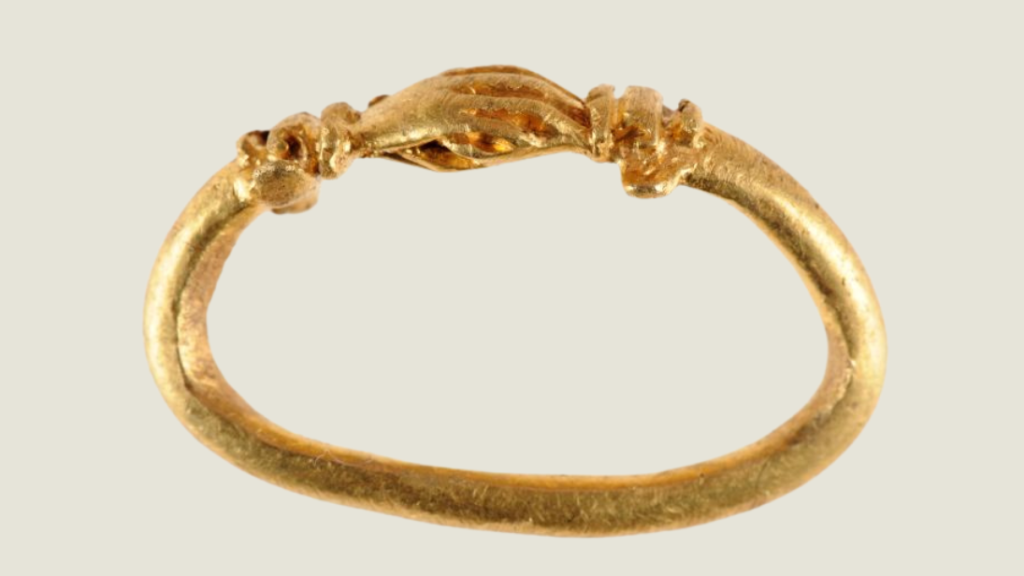
The tricky bit about treasure definitions is that they have evolved and changed over time. Here are the simplified basics. If a metal object meets any of these definitions it is treasure:
For more detail see the Code of Practice.
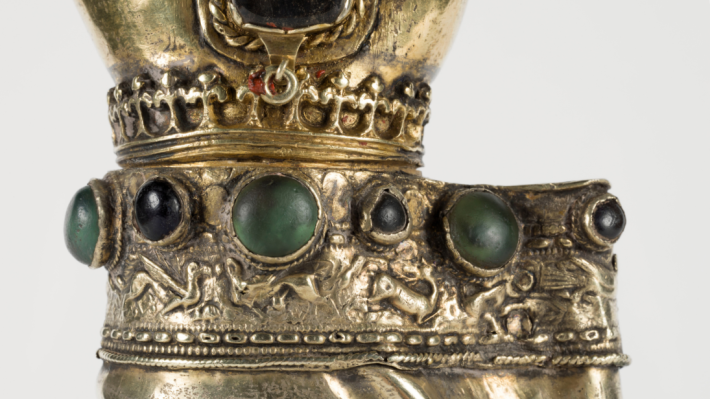
Learn about the 14th-century Shrine of St. Patrick's Hand with Curator of Archaeology, Niamh Baker. The shrine is still used today during mass on St. Patrick’s Day in St. Patrick’s Parish, Belfast.
One of the fascinating aspects of the past is pondering on how things were made without the aid of modern technology. Learn more about these intricate objects from our experts.